
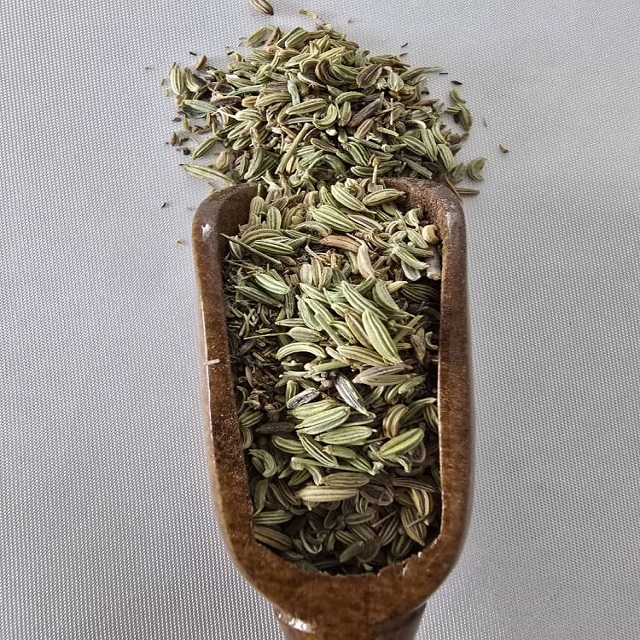
Fennel:
Fennel is a herbaceous and aromatic plant of the parsley family that has an appearance similar to dill with yellow umbel flowers that have edible and medicinal uses. Fennel essential oil is also used as a flavoring in a variety of foods and beverages due to its antimicrobial and antioxidant properties due to the presence of flavonoids, terpenoids, carotenoids and coumarins.
Botany:
It is a biennial or perennial plant of the apiary family that is cultivated in Asia and Europe and the seeds of this plant have been used as an aromatic and medicinal compound since the past. It has been reported that fennel has numerous pharmacological properties, including antioxidant properties.
The stem of this plant is erect, cylindrical, light green, 150 to 200 centimeters high and branched. The leaves are dark green, juicy, delicate and have more or less deep incisions. The petioles form a sheath at the stem. The small, yellow flowers of fennel are arranged in a compound umbrella at the end of the main and secondary stems. The general appearance of fennel, especially in terms of the type of leaves, is not unlike that of chives, but the fragrant and pleasant smell, tall stems and thick roots of the plant easily distinguish it from chives.
Chemical compounds:
The main compounds found in the fennel plant include monoterpenes and sesquiterpenes, phenylpropanoids, hydroxycoumarins, pyranocoumarins, flavonoids, cardiac glycosides, tannins and fatty acids. The seeds of this plant contain 3% of essential oil, of which trans-anethole is the most important compound. The essential oil of this plant includes: alpha-pinene, camphene, paracymene, myrcene, limonene, alpha and beta-phlandrene. The group of compounds present in the plant’s essential oil includes hydrocarbon-containing monoterpenes, oxygenated monoterpenes and phenylpropanoids.
Medicinal properties:
It has been reported that the consumption of fennel seed extract reduced blood sugar, reduced fat and reduced oxidative activities in diabetic rats, and liver problems caused by diabetes were also resolved.
It is a well-known plant in traditional Iranian medicine. The use of the medicinal plant fennel has been common since ancient times. Dioscorides (a Greek physician, pharmacist and botanist) attributed to fennel the effect of increasing milk secretions, stomach tonic, emetic and diuretic, and considered the plant’s sap to be beneficial for the eyes.
Reviews
There are no reviews yet.