
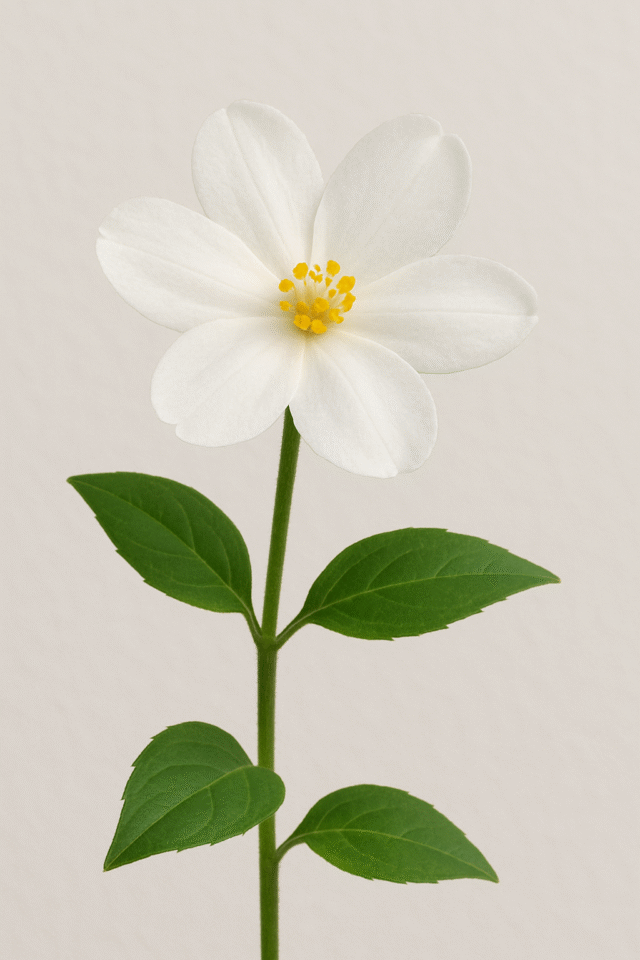
Jasmine:
It has been used for centuries to treat diseases such as heart disease, problems, problems, skin problems, stomatitis, skin problems, medical problems, eye problems, eye, nose and throat problems, wound healing, immunopharmacology, laboratory antioxidants and antiseptic compounds. A combination of various plants, including flowers, stems, leaves, roots, bark and seeds, has been used since ancient times to treat a variety of diseases. The plant contains plant compounds, including glycosides, sterols, steroids, terpenoids, flavonoids, phenols, alkaloids, saponins and carbohydrates. The flowers are fragrant, pleasant, cooling, astringent, heart-strengthening, diuretic and purgative, while the source is useful for skin diseases, especially tinea versicolor. They are useful for dermatopathy, kidney stones, cardiopathy, ulcers and stomatopods.
Botany:
Approximately 2,000 species and 200 different species of jasmine have been discovered worldwide.
The leaf color ranges from dark green to light green. The leaf texture varies and can be rough, smooth, hairy, glabrous, leathery or velvety, and the base can be smooth or rough. The flowers of jasmine species are white, yellow or very pale pink in color and are very fragrant. They usually have five petals, their number can range from four to nine. The flowers are usually formed in clusters that include at least three blooms, sometimes single flowers may appear at the ends of small branches. Most jasmine species have tendril-like branches, some species have a creeping shrubby growth habit. The leaves, which may be simple or compound, come in various shapes including pointed, lanceolate, heart-shaped, pointed and oval.
Chemical Compounds:
The chemical compounds of plants are classified in most sources into categories, including flavonoids, alkaloids, carbohydrates, tannins, steroids, terpenes, phenols, astringents, glycosides, and mucilages.
Medicinal Properties:
Due to the bioactivity of the chemical compounds, chemical compounds such as anti-inflammatory, anti-carcinogenic, anti-microbial, anti-oxidant, immune stimulant, antiviral, antifungal, and anti-fungal, play an important role in human health.
Jasmine plants have been suggested as a treatment for sexually transmitted and intestinal worms. Interestingly, virtually every part of this plant is of importance in the medical and pharmaceutical fields. While the leaves are used to treat breast cancer, the flowers are used to treat vesicles, wounds, skin diseases, acne, and eye problems.

Reviews
There are no reviews yet.