Nettle:
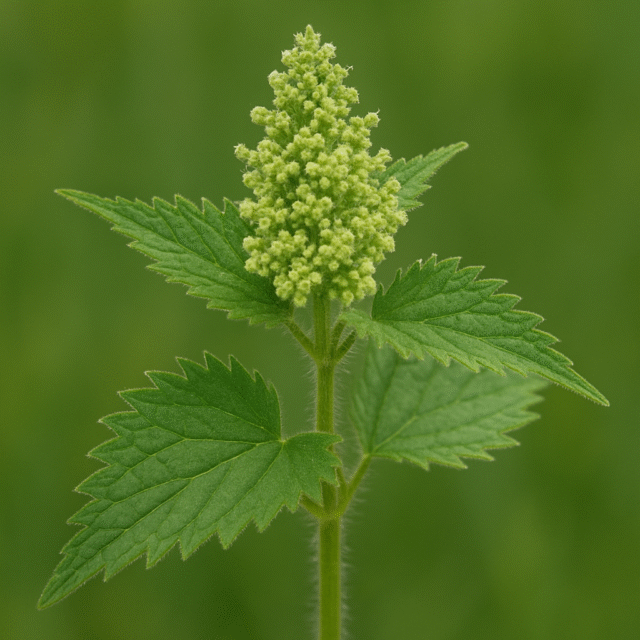
Nettle is an important genus with 30 species and Urtica dioica is in this genus. It is native to temperate regions of Europe and Asia. Stinging nettle is a herbaceous plant that grows in moist and shady areas. Stinging nettle is one of the plants with medicinal properties and its extract has been used in traditional medicine for hundreds of years to treat diseases such as eczema, gastrointestinal and genital disorders, joint pain, and anemia.
Botany:
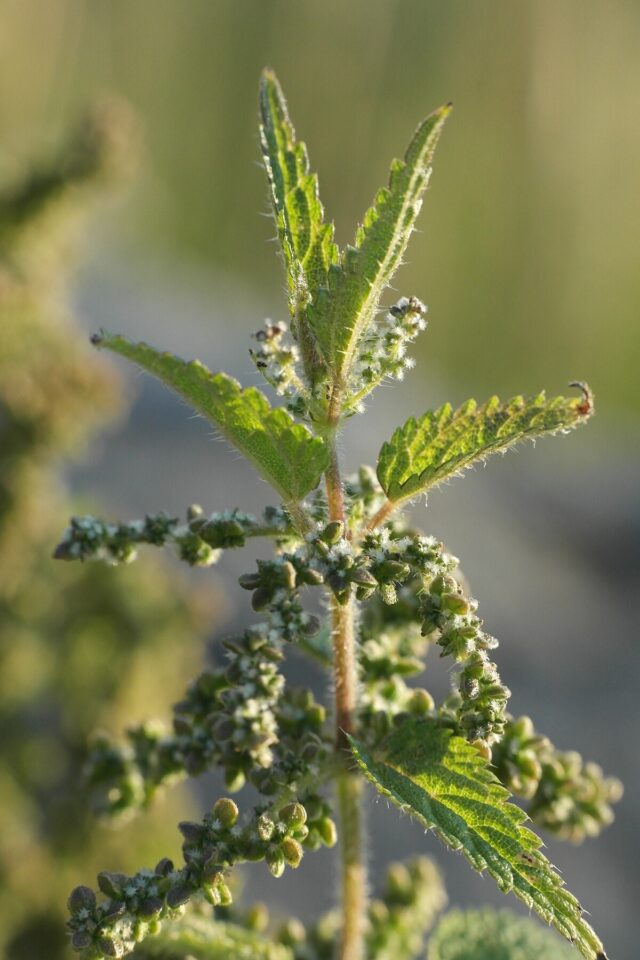
Stinging nettle is a herbaceous, perennial plant with light green, hairy leaves that grows in the north, northwest, and center of Iran, Azerbaijan, Lorestan, Bushehr, Mazandaran, and Golestan. Its distinctive characteristics include a square stem, heart-shaped leaves with stinging hairs that cause burning and itching when touched. It has creeping roots that help the plant spread quickly. Different parts of this plant, including leaves, stems and roots, have many medicinal and industrial uses.
Chemical compounds:
Nettle is a rich source of chemical compounds, especially its leaves, which contain a significant number of biologically active compounds such as flavonoids, steroid compounds, peptides, amines, coumarins, mineral ions, plant sterols such as stigmasterol and campesterol, as well as substances such as histamine, formic acid, acetylcholine, acetic acid, 5-hydroxytryptamine.
In addition, phenolic acids (such as chlorogenic and caffeic) and the flavonoid isorhamnetin have been identified in the aqueous extract of nettle leaves. Also, flavonoid glycosides present in nettle have immune system-boosting, anticancer, anti-inflammatory, antioxidant and anti-allergic properties.
Medicinal properties:
The stinging nettle plant is widely distributed in countries such as Morocco, Turkey, Brazil, Jordan, and parts of Europe and Iran, and is highly effective as a traditional treatment in these regions.
Recent studies have shown that stinging nettle can be effective in daily diet and also in treatment, especially in the treatment of rheumatic diseases, urinary tract infections, and allergies.
Research results have shown that stinging nettle extract has antibacterial properties and is several times more effective in controlling gram-positive and negative bacteria than chemical bactericides.
Stinging nettle is used as an anti-inflammatory, blood sugar-lowering, diuretic, analgesic, local anesthetic, prostate inflammation-relief, menstrual and blood stasis-relief drug.
Reviews
There are no reviews yet.