
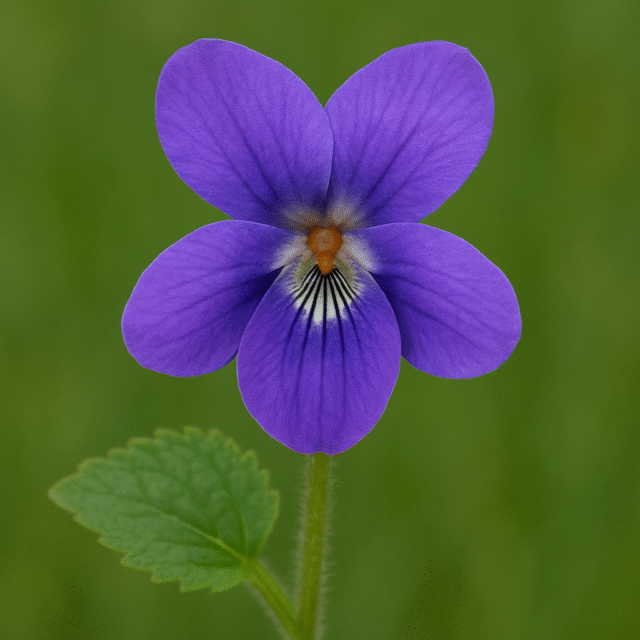
Violet:
It grows as a shrub in parts of northern Iran. This plant is native to Asia, North Africa and Europe. About 30 species have been identified in northern and northwestern Iran, of which 19 species are native to Iran. The classification of violets is based on the following characteristics: lack of stem, short and stout rhizome, rooting stolons, presence of auricles, round or pointed sepals or beak-shaped tips, smooth or beak-shaped petals. Violet is a perennial herb that reproduces mostly through seeds and creeping shoots. It has more than 400 known species. This biennial plant has flowers of various colors from pure white to purple, and reaches a height of 15 to 20 meters. One of the prominent features of this plant is its resistance to cold.
Chemical Compositions:
Based on detailed studies today, violet contains various compounds including volatile oils (salicylic acid, methyl ester and beta-nitropropionic acid), glycosides, tannins, flavonoids, saponins, alkaloids, mucilage, phenols, vitamin C and coumarin. This valuable plant contains 65% salicylic acid and its derivatives such as methyl acid and violetoside, violetoside, glucoside and arabinoside methyl ester. Phenolic carboxylic acids such as trans-caffeic acid, trans- and cis-paracoumaric acid and other organic plant acids are also present in this plant. About 10% mucilage including glucose, galactose, arabinose and rhamnose has been reported in this plant. Violet also contains flavonoids such as hyperoside.
Medicinal properties:
Its nature is described in Iranian medicine sources as cold and moist and is used in various diseases. In modern sources, various compounds with various clinical and therapeutic effects have been reported from violet, which is mainly used in skin, digestive, respiratory and urinary system cancers. One of its main uses is in skin application for anti-itching, urticaria, burns and inflammatory conditions.
Medicinal forms of violet include violet oil for topical use or in the nose for the treatment of nervous and skin disorders, as well as in the form of tablets, extracts, syrups, concoctions or oral semi-solid forms for skin, respiratory, digestive, urinary system and sleep disorders.
Tea and infusion of the plant flowers are used as an expectorant for the treatment of bronchial catarrh, antitussive for the treatment of chronic bronchitis, whooping cough, asthma and migraine. Its syrup is also used as an expectorant to reduce inflammation of bronchial catarrh in pediatrics and is beneficial in the treatment of lung diseases. Violet is a mild blood purifier, and its poultice with barley flour relieves inflammation. Smelling its poultice relieves headaches caused by excess blood, is useful in treating hot coughs, and is a chest softener. Its pungent flowers are a laxative. In homeopathy, the flowers of this plant are used for inflammation of the respiratory tract and rheumatism of the wrist.
Reviews
There are no reviews yet.