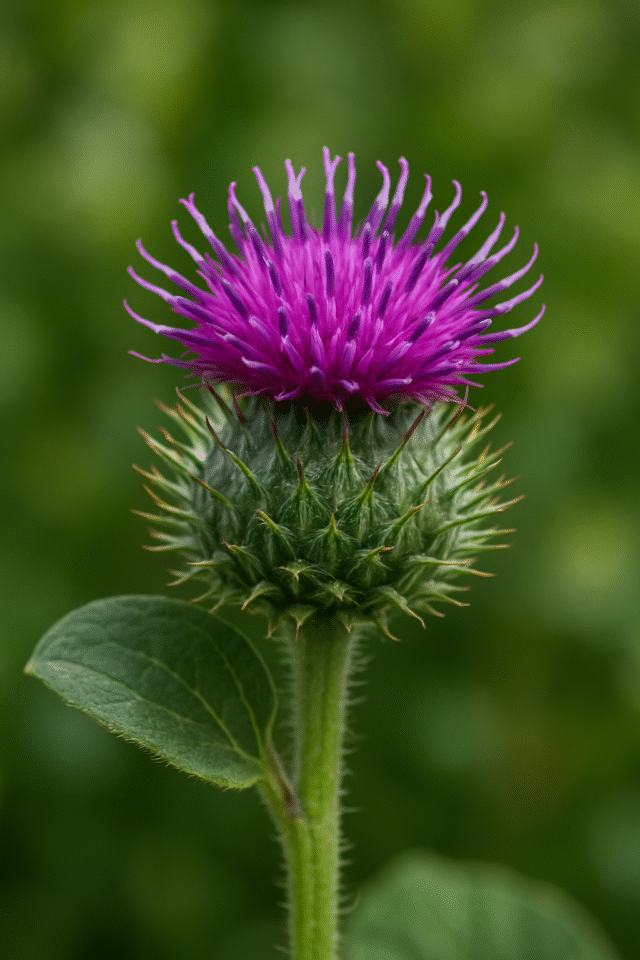
Burdock:
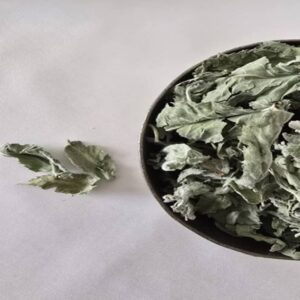
Some of the medicinal aspects of the burdock plant have been proven for humans. This plant can be grown in abundance in the foothills of Torbat Jam (city of Iran), and in cases of fodder shortage, animals, especially goats, are able to consume this plant in its dry form. It has been stated that the extract extracted from various parts of the burdock plant plays a significant role in increasing the immune system and improving the body’s metabolic function.
Botany:
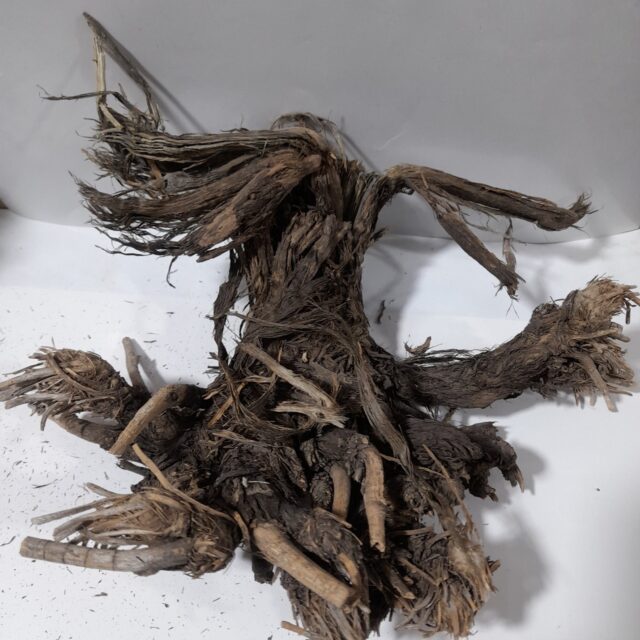
It is a herbaceous, biennial plant with a thick, branched stem that grows wild and in the plains and moist, shady areas in temperate regions of Europe and Asia. This plant has a long root about the diameter of a finger with a spindle-shaped appearance and deep longitudinal grooves that are brown in color but white in cross section. In Iran, the plant grows in the provinces of Gilan, Gorgan, Mazandaran, Tabriz, Hamedan, Arak, Qazvin and Karaj (city of Iran). Harvesting takes place in late March to May of the second year of plant growth. During this period, the root has reached its maximum growth and has become sufficiently fleshy.
Chemical compounds:
It contains abundant lignan compounds, including arctigenin. These secondary metabolites have diverse biological activities, including anticancer, anti-inflammatory, antioxidant and antimicrobial effects. The anticancer properties of these secondary metabolites were reported on pancreatic cancer and colon cancer cell lines, resulting in the induction of programmed cell death in these cells. In addition, several lignan compounds with antiviral effects (especially anti-HIV virus) have been identified in this plant. The anti-ascorbic properties of this plant make it a suitable herbal medicine for the treatment of inflammation, C deficiency and rheumatic pain. This plant is used as a natural sedative for superficial washing of wounds and skin disorders and irregularities.
Medicinal properties:
Burdock root has a blood purifying, diuretic and diaphoretic effect and its use for the treatment of gout, rheumatism, kidney stones and skin diseases such as eczema and dry skin, facial acne, pimples and measles has been common since the past. The root of the plant is also effective in the treatment of burns, inflammation of the mucous membranes of the mouth and throat.
Reviews
There are no reviews yet.